
Benefits of Sculpt Yoga Classes: Strength and Calm

Table of Contents
What to Expect in a Yoga Sculpt Class
Benefit 1: Muscle Toning and Strength Building
Benefit 2: Cardiovascular Conditioning and Calorie Burn
Benefit 3: Flexibility, Mobility, and Joint Health
Benefit 4: Core Strength and Functional Movement
Benefit 5: Mental Focus and Stress Reduction
Yoga Sculpt vs Pilates: How They Compare
How Often to Do Yoga Sculpt for Best Results
Frequently Asked Questions
Last Updated: October 5, 2026
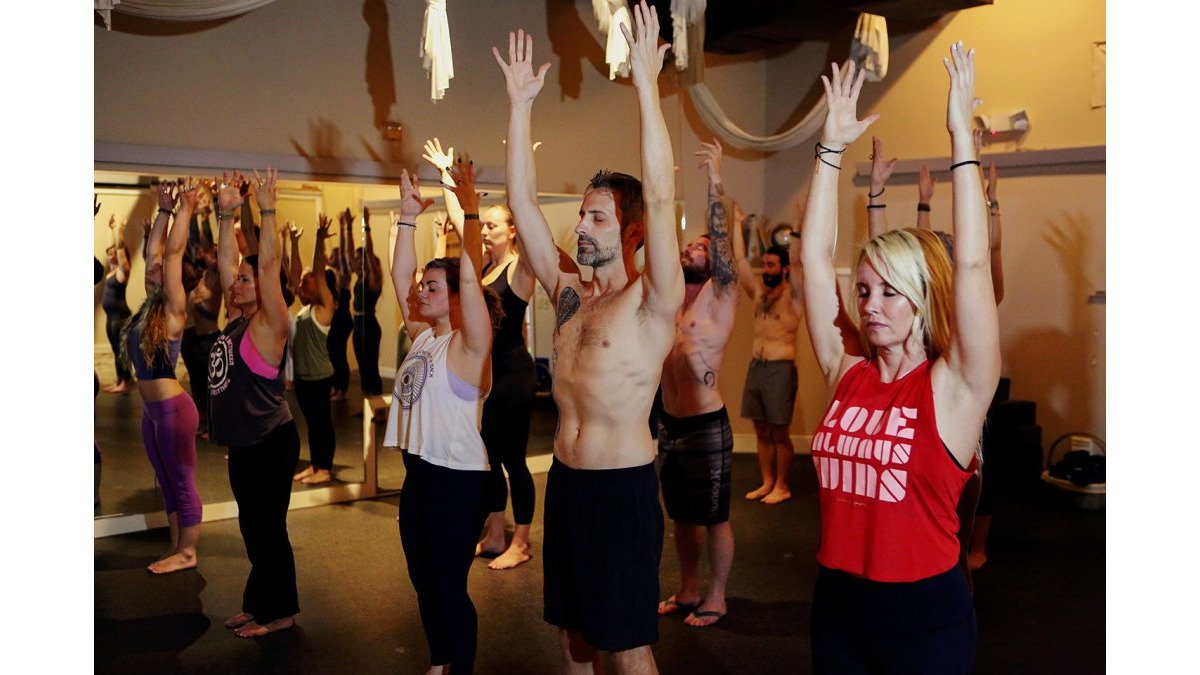
What to Expect in a Yoga Sculpt Class
Sculpt yoga is a fast-moving class format that combines traditional yoga poses with light weights, resistance training, and short bursts of cardio. If you have been searching for the benefits of sculpt yoga classes, the short version is this: you get strength work, heart-rate elevation, and mobility training in a single session, usually in a heated room.
At Hot Asana Studio, we designed our sculpt classes for exactly that mix. Expect a warm room, a set of light dumbbells, and an instructor who demonstrates every sequence before you attempt it.
Here is the general rhythm of a class:
A short warm-up with breath work and gentle movement
Standing sequences that pair yoga poses with bicep curls, rows, or shoulder presses
Bodyweight exercises like squats, lunges, and push-up variations
A cardio push, often using high knees or jumping jacks
A cooldown with stretching and a few quiet minutes on the mat

The "sculpt" in the name refers to the goal, not a guarantee. No class reshapes a body in a week. What sculpt yoga does reliably is build muscle endurance and raise your heart rate while keeping the movements low-impact and joint-friendly. That combination is why so many people stick with it when gym routines lose their appeal.
Pro Tip The first class is not the time to grab the heaviest weights on the rack. Start with the lightest pair available, even if it feels too easy. Most beginners regret going heavy in a heated room long before they regret going light.
Benefit 1: Muscle Toning and Strength Building
The clearest benefit of sculpt yoga is strength building through light resistance. A common approach is to use 2- to 8-pound dumbbells for high repetitions, which builds muscular endurance rather than raw power.
Unlike heavy weight training, you are not chasing one-rep maxes. You are holding a lunge while you curl, which forces your legs, shoulders, and core to work at the same time. That is functional strength, the kind you use carrying groceries or hiking a steep trail.
What most guides miss is that muscle toning is really a byproduct of two things: building muscle and reducing excess body fat. Sculpt classes contribute to both, but they work best alongside consistent movement throughout your week.
Benefit 2: Cardiovascular Conditioning and Calorie Burn
Sculpt yoga raises your heart rate and keeps it elevated through the strength blocks, which is why it lands closer to interval training than to a steady jog. The cardio comes in short bursts: you move through a flow, hit 30 seconds of high knees or jumping jacks, then return to a weighted squat or lunge sequence. That stop-start pattern repeatedly pushes your heart rate up and lets it partially recover, which is the same structure that makes interval work efficient for cardiovascular conditioning.
Calorie burn is where most guides get vague, so here is the honest version. A 60-minute session commonly falls somewhere in the range of roughly 400 to 600 calories, but that number swings widely based on your body size, how much of the class you spend moving versus modifying, the weight of your dumbbells, and how warm the room is.
A more useful way to gauge your effort is perceived exertion. On a 1-to-10 scale, most of a sculpt class should sit around a 6 or 7, you can talk in short sentences but not hold a full conversation. If you can chat comfortably through the cardio push, add intensity. If you are gasping and dizzy, back off, especially in the heat.
If you want to track progress, a heart-rate monitor gives you better data than a calorie readout. The American Heart Association physical activity recommendations note that adults should aim for at least 150 minutes of moderate activity or 75 minutes of vigorous activity per week, and a few sculpt classes can cover a meaningful share of that total. Two or three 50-minute sessions a week, plus walking on off days, gets most people close to the guideline without overtraining.
One caveat worth stating plainly: the 'detox' framing you sometimes see attached to hot classes is not supported by exercise science. Your liver and kidneys handle detoxification. Sweating cools you down and sheds water and electrolytes, not toxins. The real cardiovascular benefits, a stronger heart, better endurance, improved blood pressure over time, come from the repeated elevation of heart rate, not from the sweat itself.
Pro Tip If you are new to interval-style training, spend the first two weeks staying at a perceived exertion of 5 or 6. Your heart adapts quickly, and starting conservatively in a heated room is far easier than recovering from overdoing it.
Benefit 3: Flexibility, Mobility, and Joint Health
Flexibility and mobility work is built into every sculpt class, which is what separates it from a standard weight-training session. You move through yoga poses between strength sets, so your muscles lengthen while they are warm.
That matters for joint health. Low-impact exercise keeps the knees, hips, and shoulders moving through their full range without the sharp loading of running or heavy lifting. For people managing old injuries, this is often the difference between a workout they can sustain and one they have to quit.
A common mistake is skipping the cooldown. Those final five minutes of stretching are where much of the flexibility gain happens. Leave early and you leave the benefit on the mat.
Benefit 4: Core Strength and Functional Movement
Core strength is the quiet engine of a sculpt class. Nearly every pose, from a chair twist to a standing balance, asks your midsection to stabilize your spine while your arms and legs move.
The result is better balance and coordination in daily life. Functional movement patterns like squatting, hinging, and reaching overhead show up in class constantly, and they carry over to gardening, hiking, and lifting children.
Watch Out If you have a known injury or chronic pain, tell your instructor before class starts. A generic class cannot account for a bad knee or a sensitive lower back, but an experienced teacher can offer modifications on the spot. Staying silent is the mistake that leads to setbacks.
Benefit 5: Mental Focus and Stress Reduction
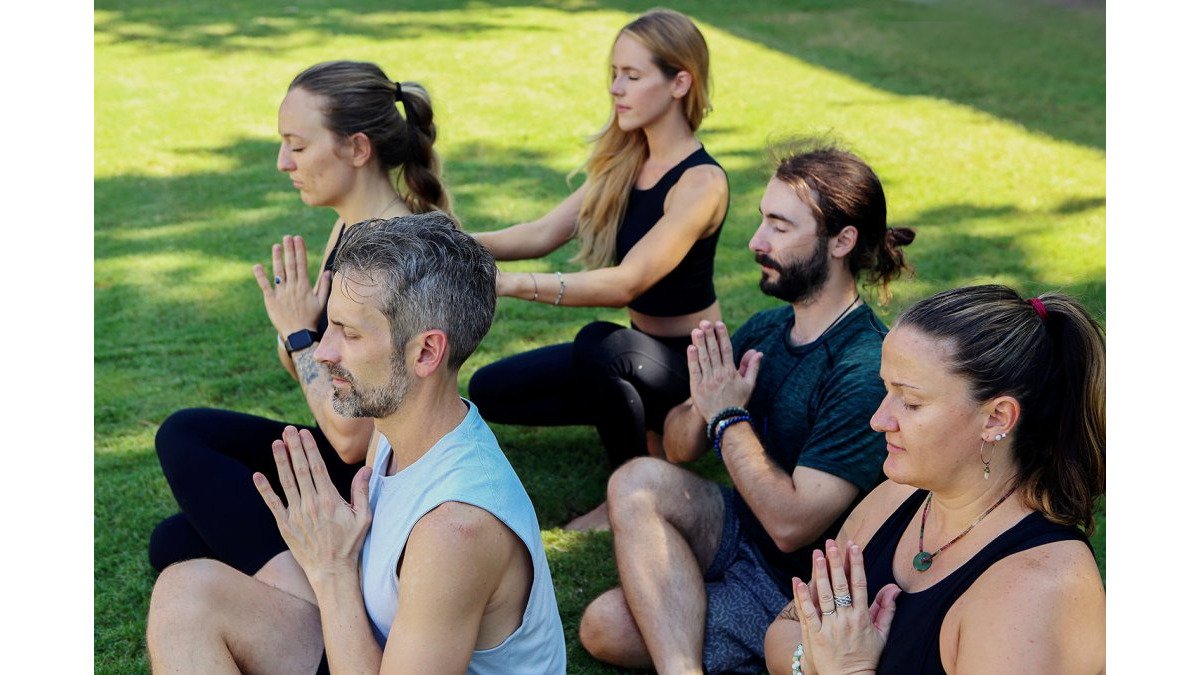
The mental side of sculpt yoga is not a bonus. It is often the reason people keep coming back. Balancing on one leg while pressing a weight overhead leaves very little room for a racing mind.
That single-pointed focus calms the nervous system. Breath work, heat, and rhythmic movement together tend to shift people out of a stressed state and into a calmer one. Many practitioners describe leaving class with the same mental clarity they get from a long walk or a good night's sleep.
The mind-body connection here is practical, not mystical. You are training attention the same way you train a muscle, through repetition.
Yoga Sculpt vs Pilates: How They Compare
Sculpt yoga and Pilates overlap more than most people expect, but they diverge in pace and heat. Pilates focuses on controlled, precise movements, often on a mat or reformer, with an emphasis on core stability. Sculpt yoga adds flowing sequences, light weights, and usually a heated room.
Feature | Sculpt Yoga | Pilates |
Pace | Fast, flowing | Slow, controlled |
Equipment | Light dumbbells | Mat or reformer |
Heat | Often heated | Usually room temperature |
Cardio focus | Moderate to high | Low to moderate |
Best for | Strength plus cardio in one session | Core precision and rehab |
Neither is better in absolute terms. If you want sweat, movement variety, and a cardio hit, sculpt yoga fits. If you want slow, deliberate core work, Pilates wins. Many people do both across a week, and the two complement each other well.
How Often to Do Yoga Sculpt for Best Results
Two to three sculpt classes per week is the sweet spot for most people. That gives your muscles time to recover between sessions while still building strength and cardio fitness. Beginners often do best starting with one or two classes a week and adding more as recovery allows.
What most guides skip is the part that actually determines whether you improve: recovery, hydration, and heat safety. Sculpt classes combine resistance work, cardio, and often a heated room, so the recovery demands are higher than a gentle flow class. Here is how to handle them.
Recovery. Soreness in the first couple of weeks is normal. Sharp pain is not, and it is a signal to rest and check in with a qualified professional. Aim for at least one full rest day between sculpt sessions when you are starting out, and rotate in lower-intensity movement, walking, gentle yoga, easy cycling, on the days between.
Hydration. In a heated room you lose fluid and electrolytes through sweat, and dehydration shows up as fatigue, headache, and reduced performance long before it becomes dangerous. Drink water in the hours before class, sip during breaks, and rehydrate afterward. For sessions longer than about an hour in a hot room, an electrolyte drink can help replace sodium and potassium that plain water does not.
Heat safety. Know the warning signs of heat illness and take them seriously: dizziness, nausea, a throbbing headache, confusion, or chills in a warm room. If you feel any of these, stop, sit down, and cool off. Tell the instructor. Do not push through.
Modifications. You do not have to match the instructor rep for rep. Dropping your dumbbells and continuing the movement with bodyweight only is a legitimate modification, not a failure. So is taking a knee during a lunge sequence or skipping the jump in a cardio burst. Tell your instructor about injuries before class so they can offer alternatives on the spot.
Tracking progress. Rather than weighing yourself daily, track things that move more predictably: how many push-ups you can do before fatigue, how long you can hold a plank, whether a pose that felt impossible a month ago now feels manageable. Those markers reflect the strength and endurance gains that make the class worth repeating.
Key Takeaway The best frequency is the one you can sustain, and sustain safely. Two classes a week for a year beats five classes a week for a month, especially when heat and recovery are part of the equation.
Frequently Asked Questions
Is yoga sculpt actually good for you?
Yes, when taught by qualified instructors and matched to your fitness level. Yoga sculpt combines resistance training with light weights, bodyweight exercises, and cardio conditioning, which supports muscle toning, heart health, and flexibility. The mind-body connection and mindfulness components can also help with stress reduction and mental focus. Results depend on consistency, proper form, and choosing a class intensity that fits your current abilities.
Is yoga sculpt harder than Pilates?
They challenge the body differently rather than one being universally harder. Yoga sculpt tends to raise your heart rate more through continuous movement, light weights, and cardio bursts, while Pilates emphasizes precise core strength, stability, and controlled muscle engagement. If you want a sweatier, more cardiovascular session, sculpt may feel tougher. If you want slower, deeper core work, Pilates may feel more demanding. Trying both is the best way to judge.
How often should you do yoga sculpt?
Most people do well with two to three sculpt classes per week, spaced out to allow recovery. Because sculpt includes resistance training and cardio conditioning, back-to-back days can lead to muscle aches and fatigue. Beginners often start with one or two classes weekly and add more as their endurance and strength improve. Pairing sculpt with gentler yoga, walking, or rest days supports joint health and long-term progress.
What should you bring to a yoga sculpt class?
Bring a water bottle, a towel, and a yoga mat. Many studios provide light weights, but you can bring your own if you prefer a specific size. Wear moisture-wicking clothing you can move in, since heated rooms and sweating are common in sculpt classes. Arrive a few minutes early to set up, tell the instructor about any injuries, and ask about modifications before class begins.
Starting a new fitness routine raises real questions: will the heat be too much, will your knee hold up, will you keep up with the room. Those concerns are worth taking seriously, and they are exactly what our instructors are trained to address. At Hot Asana Studio, you get heated sculpt classes scaled to all levels, expert-led instruction with modifications for injuries, and a welcoming community that makes showing up easier. Register now and find out what your first class feels like.
Register Now

Comments